
Guide · 3 min read
Manual vs electric toothbrush
Both manual and electric toothbrushes clean well when used properly. Here’s how they compare, who benefits most from an electric brush and what to look for.
Our clinics
- Dianella(08) 6271 0113
6 Bayley Street, Dianella WA 6059
Mon–Fri 8:45 am – 5:00 pm. Open Saturday mornings, with late appointments on Thursdays.
- Marangaroo(08) 6161 6405
4/52 Highclere Boulevard, Marangaroo WA 6064
Mon–Fri 8:45 am – 5:00 pm. Late appointments on Wednesdays.
Manual or electric: the short answer
- 1
Both work
Brushing twice a day with good technique matters more than the type of brush. The key is to brush and floss every day.
- 2
Electric cleans a bit better
Studies have found electric brushes remove up to 21% more plaque and reduce gingivitis (bleeding gums) by 11% compared with manual brushes.
- 3
Manual is cheap and portable
Manual brushes cost little and travel easily, but it’s easy to scrub too hard, and a large head can miss hard-to-reach areas.
- 4
Electric does more of the work
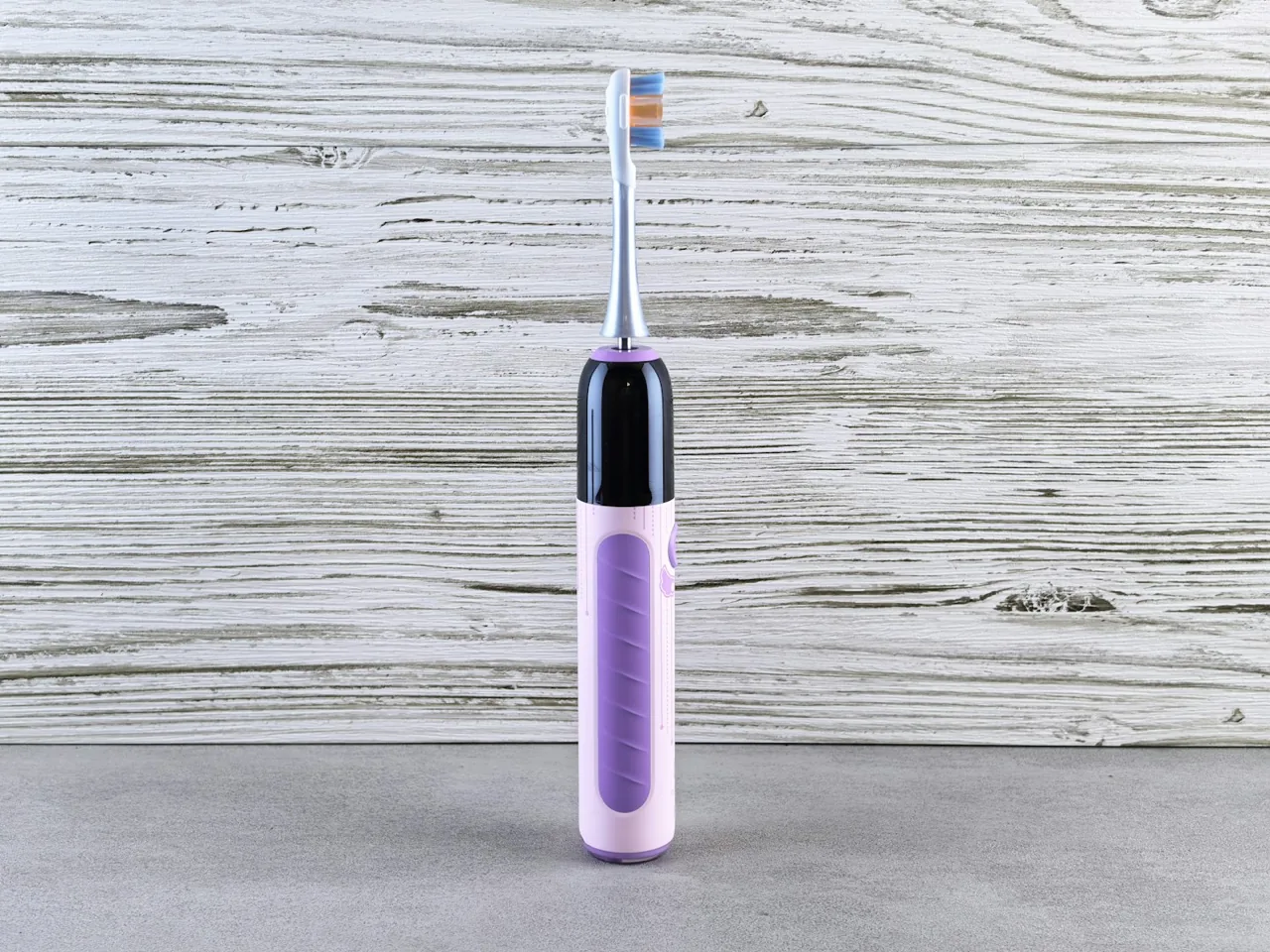
An oscillating head covers more area, and built-in timers and pressure sensors stop you over-brushing. They cost more and need charging.
- 5
Replace every 3 months
Whichever you use, replace your brush or brush head every 3 months, or sooner if the bristles splay.
Who benefits most from an electric brush
An electric brush is especially helpful for people who find brushing hard or want an easier routine. If you have braces, use an electric brush to clean around each bracket, one tooth at a time, without pressing hard.
Watch your pressure. Over-brushing with an electric brush can cause gum recession. If you’re going through brush heads faster than every three months, you’re probably pressing too hard.
- Children, who find it more fun
- People with arthritis or limited dexterity
- Anyone with braces
- People prone to plaque or bleeding gums
What to look for
If you’re buying an electric brush, the extras that matter most are simple ones.
- A two-minute timer with 30-second quadrant alerts
- A pressure sensor
- A small, round brush head
- A gum care mode if your gums are sensitive
Key points
- Both types clean well with good technique
- Electric brushes remove more plaque on average
- Pressure sensors and timers help prevent over-brushing
- Replace your brush or head every 3 months
- Clean your tongue with either brush type
Related
Related treatments
Due for a check-up?
Book a check-up and clean.
We’ll check your teeth and gums, clean away what brushing misses and show you anything worth changing at home.
- Dianella: 6 Bayley Street, Dianella WA 6059 · Open Saturday mornings, with late appointments on Thursdays
- Marangaroo: 4/52 Highclere Boulevard, Marangaroo WA 6064 · Late appointments on Wednesdays